
How does content automation affect SEO performance?
July 28, 2026
Category:
Uncategorized
Content automation affects SEO performance by increasing topical coverage and publication frequency, but it requires strict human oversight to prevent quality decline. When used for structured data, multilingual deployment, or technical optimizations, automation enhances visibility in search results. However, unmonitored mass production of thin content leads to ranking penalties. Success depends on integrating AI efficiency with high-level editorial expertise.

The tension between scale and quality defines modern SEO strategy. For years, digital marketers relied on manual keyword research and human drafting to build topical authority. Today, the volume required to compete in complex niches often exceeds what a traditional team can produce within reasonable budgets. This pressure drives companies toward automation. The goal is not just to create more pages, but to dominate search intent across diverse user queries faster than competitors.
However, many agencies mistake raw output for meaningful growth. Increasing your page count without increasing the utility of that content is a recipe for technical debt. If you scale low-quality text, you risk triggering algorithmic updates designed to filter out unhelpful information. To win in an era of generative search, automation must act as a catalyst for expertise rather than a replacement for it.
- Automation increases topical coverage and technical efficiency through structured data and multilingual scaling.
- Unchecked content production risks ranking penalties if quality does not meet E-E-A-T standards.
- Effective strategies use human editors to validate AI output and maintain brand authority.
How does automation impact search engine rankings?
Content automation impacts search engine rankings primarily by altering the speed at which you establish topical relevance. When you automate the creation of supporting subtopics within a specific cluster, search engines can more easily map your site’s authority to a subject. This process works because it addresses a wide array of long-tail queries that manual teams might overlook due to time constraints.
The direction of this impact depends entirely on the execution. Automation used for technical tasks, such as generating schema markup or optimizing meta tags across thousands of pages, almost always improves performance. In contrast, using AI to generate massive amounts of generic text without a specific information gain often results in “content decay.” This happens when new, better-written articles from competitors render your automated content obsolete within weeks.
In practice, the most successful implementations focus on the following areas:
- Scaling structured data to improve visibility in rich snippets.
- Generating optimized hreflang tags for global sites.
- Creating high-volume product descriptions that remain unique and helpful.
Does content satisfy E-E-A-T requirements?
content can satisfy E-E-A-T (Experience, Expertise, Authoritativeness, Trustworthiness) standards only if it is integrated into a workflow that includes human verification and factual checking. Search engines do not penalize AI content simply because it was generated by a machine. Instead, they prioritize the quality of information and the demonstrable expertise of the source.
The risk lies in “hallucinations” or the lack of lived experience. A machine can explain how to change an oil filter, but it cannot provide a unique insight from a decade of mechanic work unless you feed that specific experience into the prompt or via human editing. Google’s guidance emphasizes that content must be created for people, not just to satisfy an algorithm.
You should evaluate your automated output against these three criteria:
- Factuality: Are the data points and technical claims accurate?
- Perspective: Does the piece offer a unique angle or is it a mere summary of existing top ten results?
- Trust: Is the author identity clear and does the site have the necessary credentials to speak on the topic?
If you want to maintain high visibility, can content pass googles eeat standards depends entirely on your editorial oversight. It is a tool for drafting, not a replacement for researchers.
The role of structured data and AEO in automated workflows
Automation is highly effective at optimizing content for answer engines like ChatGPT and Google Search Generative Experience (SGE). These systems look for specific entities and clear, declarative answers to satisfy user queries. Using automation to implement complex structured data types that help rank in AI overviews is one of the most efficient ways to improve your eligibility for these new search surfaces.
When you automate the deployment of FAQ schema, Product schema, or Local Business schema, you provide a roadmap for both traditional crawlers and generative models. This clarity reduces the friction between how an AI model interprets your data and what it shows to the user.
| Task Type | Manual Effort | Automation Value | SEO Impact |
|---|---|---|---|
| Schema Markup | High (per page) | Extremely High | Directly improves rich snippets |
| Meta Descriptions | Medium | High | Indirect (CTR focus) |
| Very High | Extremely High | Critical for international visibility | |
| Internal Linking | High | Moderate | Improves crawl budget and flow |
Don’t automate the entire article from a single prompt. Instead, use automation to generate outlines, data tables, and meta tags, but always have a human subject matter expert review the final narrative for tone and accuracy.
How does automation affect multilingual SEO?
Automation is essential for brands attempting to scale internationally without tripling their headcount. However, literal machine translation often fails because it ignores local search intent and cultural nuances. Effective multilingual SEO requires a hybrid approach: use AI to create the initial version and then apply localized optimization.
One major technical hurdle is the correct implementation of language signals. If you are expanding into new markets, how do i implement hreflang tags correctly on wordpress becomes a critical task for your automation scripts to handle without error. A single mistake in these tags can cause Google to serve the wrong language version of a page, leading to high bounce rates and lost rankings.
how does ai improve multilingual seo for global websites is best managed by using AI to adapt the semantic context of a keyword rather than just translating it. A term that works in English may have zero search volume or a completely different intent in Spanish.
Common pitfalls in automated content workflows
The most frequent mistake agencies make is failing to monitor the “semantic drift” caused by unmonitored AI output. Over time, if you are generating thousands of pages using similar templates, your site can start to look repetitive to a search engine’s understanding of topical variety. This lack of semantic depth makes it harder for you to rank for highly competitive terms.
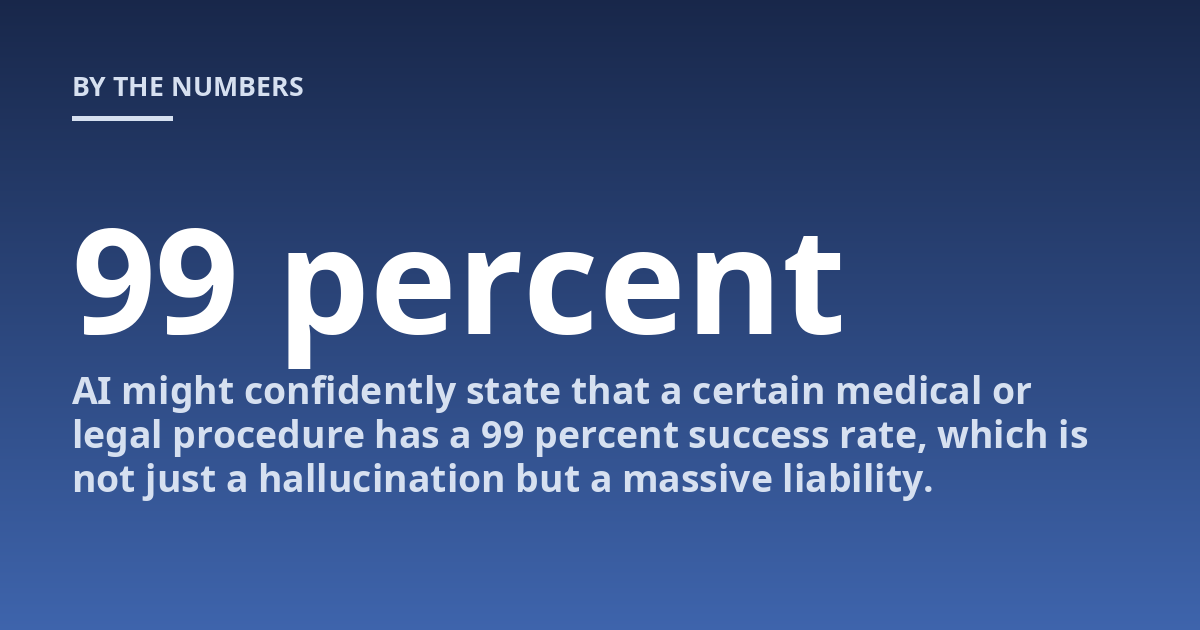
Another pitfall is the reliance on “hallucinated” authority. AI might confidently state that a certain medical or legal procedure has a 99 percent success rate, which is not just a hallucination but a massive liability. If your content provides incorrect technical information, you will fail Google’s YMYL (Your Money Your Life) standards immediately.
To avoid these issues, implement an audit loop:
- Perform quarterly audits on high-volume automated clusters.
- Track “information gain” to ensure new content isn’t just a derivative of existing pages.
- Monitor bounce rates and dwell time specifically for automated landing pages.
FAQ
What is important to know about how content automation affects seo performance?
The most critical factor is the balance between scale and editorial control. Automation can significantly increase
Other posts from the category
There are no posts for the selected category.

Latest posts from the category
-

What makes an effective Category Page for AI
June 5, 2026
-

What Influences the cost of AI Optimisation
June 1, 2026
-

Organisation Schema: how to help AI understand your brand
May 27, 2026