
How Do I Optimize a Product Page for SEO? A Practical Framework
July 7, 2026
Category:
Uncategorized
To optimize a product page for SEO, you must align technical structure, content clarity, and user intent so that both search engines and AI systems can understand what the page offers. This means writing a unique product description, using descriptive title tags and meta descriptions, implementing proper schema markup, ensuring fast load times, and building internal links from relevant pages. Each element signals relevance and authority.

Most product pages fail not because the product is bad, but because the page does not answer the real questions a buyer has. A typical ecommerce site pumps out hundreds of near-identical descriptions generated from manufacturer specs. Search engines see those as thin content. Users bounce. The fix is not complicated, but it requires discipline: treat every product page as a landing page that must earn its place in search results through usefulness, not keyword density.
What we’ve found across dozens of SEO audits is that the pages which rank consistently are the ones that combine three things: a clear purchase path, trustworthy evidence (reviews, specs, comparisons), and signals that help Google and AI models interpret the page correctly. The rest is execution.
- Write original product descriptions that answer why someone should buy, not just what the product does.
- Use Product schema markup so search engines can display price, availability, and reviews in rich results.
- Optimize for page speed, mobile usability, and crawlability before adding content.
- Build internal links from category pages, related products, and supporting content like buying guides.
What Does a Well-Optimized Product Page Look Like?
A well-optimized product page is one where a search engine can immediately identify the product, its price, its availability, and whether it has reviews. The page loads in under two seconds. The title tag includes the product name and a key benefit, not just a brand name. The meta description reads like a micro-ad, not a sentence fragment.
From a technical standpoint, the page must be indexable. That sounds basic, but we routinely find product pages blocked by robots.txt, buried behind JavaScript-heavy navigation, or missing a canonical tag when the same product appears under multiple URLs. A simple crawl test using a tool like Screaming Frog can catch these issues in minutes.
Worth noting: a product page is not a blog post. The conversion goal is different. Your content should help someone decide whether this product solves their problem. That means including sizing information, material details, compatibility notes, and shipping policies where they are relevant. Each of these can be a structured data point.
The single highest-impact fix for most product pages is writing a unique description that mentions specific use cases, not just features. If you sell a camping stove, say it boils water in 3 minutes at 4,000 feet elevation. That specificity triggers relevant queries and builds trust.
How Do I Write Product Descriptions That Rank?
Stop copying the manufacturer. Google has gotten very good at detecting duplicated content across ecommerce sites. Write one original paragraph that describes what the product does differently, who it is for, and what problem it solves. Then support that with a short bullet list of specifications.
The first sentence of the description should include the main keyword naturally. How do I optimize a product page for SEO is the question this article answers, and your product page should answer its own core question just as directly. If you sell running shoes, the first sentence might be: “The TrailRush 5 is a lightweight trail shoe designed for runners who need grip on wet rock and loose gravel.” That tells search engines and users exactly what the page is about.
Add a section for frequently asked questions specific to that product. These can be short paragraphs or an accordion widget. Questions like “Is this shoe true to size?” or “Does it work with custom orthotics?” are the kind of user-generated queries that AI systems pull into overviews.
Which Schema Markup Should a Product Page Use?
| Schema Type | Properties to Include | Impact on Search |
|---|---|---|
| Product | name, description, sku, brand, image | Enables product rich results in Google Shopping and organic listings |
| Offer | price, priceCurrency, availability, url | Shows price and stock status directly in SERP |
| AggregateRating | ratingValue, reviewCount, bestRating | Displays star ratings, increases click-through rate |
| Review | author, reviewBody, datePublished | Adds individual review snippets to rich results |
Product schema is the baseline. Without it, you are leaving visibility on the table. Google uses this structured data to populate product knowledge panels and to feed AI models like the Shopping Graph. If you sell across multiple markets, include country-specific offers with localized prices.
A common mistake: forgetting to validate the markup. Use Google’s Rich Results Test before publishing. Even a missing comma in the JSON-LD can break the entire block, and the page will show no rich result at all.
How Does Internal Linking Help a Product Page Rank?
Internal links distribute authority across your site. A product page that sits orphaned with zero internal links is unlikely to rank well, no matter how good the content is. The most natural approach is to link from your category page to each product within it, and from related products to each other. “Customers also bought” links are useful, but anchor text matters: use descriptive phrases like “lightweight trail running shoes” instead of “click here”.
You should also consider linking from supporting content: a buying guide, a comparison article, or a “best of” list. This is where is link building still important in 2026 becomes relevant. Internal linking is a form of link building that you control entirely, and it compounds over time as pages accumulate relevance signals. Similarly, understanding what is crawl budget helps you prioritize which product pages to link to most heavily, especially on larger sites.
What Role Does Page Speed Play in Product Page SEO?
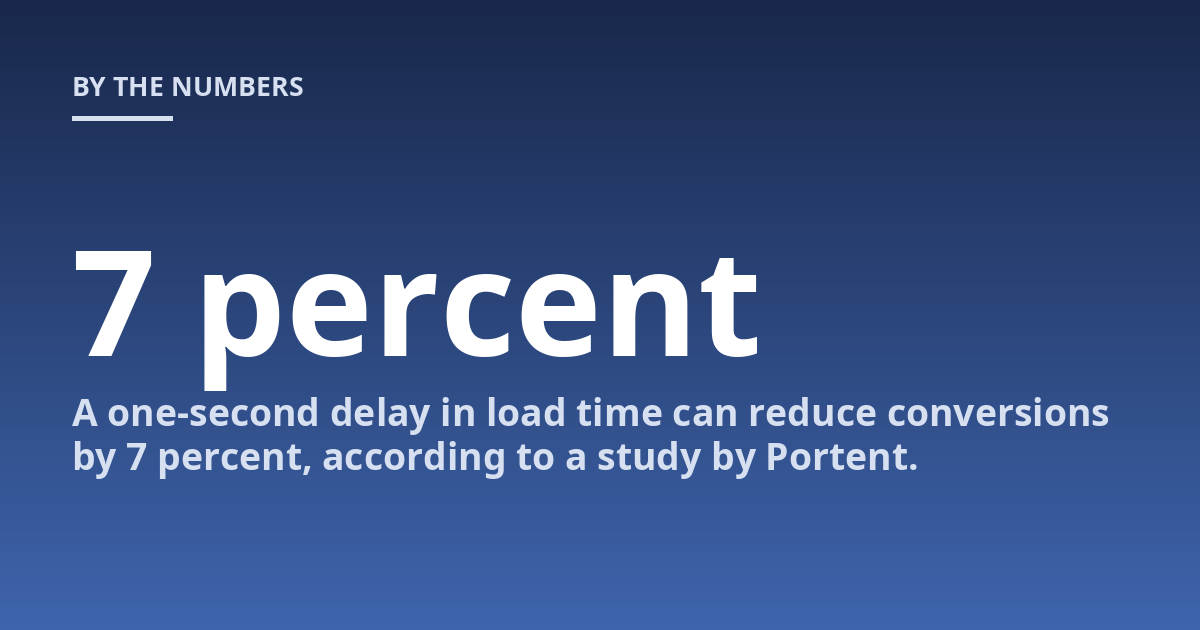
Page speed is a direct ranking factor for both desktop and mobile. More importantly, it is a user-experience factor that affects conversion rate. A one-second delay in load time can reduce conversions by 7 percent, according to a study by Portent. For a product page, that is revenue lost.
Compress images without losing quality. Use next-gen formats like WebP. Lazy-load below-the-fold content so the critical product image and buy button appear first. Minimize render-blocking JavaScript and CSS. These are not optional tasks; they are baseline requirements.
Google’s Core Web Vitals add further nuance: Largest Contentful Paint should be under 2.5 seconds, First Input Delay under 100 milliseconds, and Cumulative Layout Shift under 0.1. A product page with a poor CLS score, where the buy button jumps down as images load, will frustrate users and lose sales.
How Do I Optimize a Product Page for AI Search Features?
AI-powered search features like Google’s AI Overviews,, and Perplexity pull answers from pages that are clear, structured, and factual. The same principles apply: write a direct answer to the buyer’s core question in the first paragraph of the product description. Use natural language, not keyword stuffing.
Include authoritative external citations where relevant. For example, if you sell a medical device, link to a study or regulatory body that validates its safety. Google’s developer documentation for product structured data is a reliable source for understanding how markup triggers rich results.
Counterintuitively, the fastest path to AI visibility is often the most measured one: write for humans, add structured data, verify it works, and let the system find you. There is no guaranteed path to appearing in AI Overviews, but a well-structured, evidence-backed page dramatically improves eligibility.
FAQ
What is important to know about how do I optimize a product page for SEO?
The key points are the goal of creating a clear purchase path, the expected process of aligning technical structure with user intent, and the limits that may apply to an individual case. A precise recommendation depends on examining the page’s current performance, competition, and product category. No single template fits every product.
When should how do I optimize a product page for SEO be discussed with a professional?
A consultation is useful when there is a lack of organic traffic despite decent content, a large number of product pages that need optimization at scale, a technical issue like duplicate content or broken schema, or uncertainty about the right next step. Early assessment can reduce the chance of a small issue becoming a sitewide problem.
How should someone prepare for a consultation about how do I optimize a product page for SEO?
It helps to note current traffic data, existing schema markup, the number of product pages, and specific competitors to benchmark against. Existing site audits or crawl reports can also help the consultant understand the situation faster.
What risks or limits can how do I optimize a product page for SEO have?
Risks and limits depend on the site’s technical health, the competitive landscape of the product category, the quality of existing content, and the selected approach. The professional should explain expected timeframes, alternatives, and realistic outcomes before optimization begins. SEO is not instant, and product pages in highly competitive verticals may take months to see measurable gains.
How long does it take to see results from product page SEO?
In practice, minor technical fixes like adding schema or improving page speed can show impact within weeks. Content changes like rewriting descriptions typically take one to three months to influence rankings, depending on crawl frequency and competition. Major structural changes, like reworking internal link architecture, can take three to six months to fully compound.
Can I reuse the same description across similar products?
No. Google treats near-duplicate content as thin. Each product needs a unique description, even if the differences are small. Focus on what distinguishes each variant: color, size, material, intended use case, or compatibility.
Conclusion
Optimizing a product page for SEO is not about writing a single perfect piece of copy. It is about aligning technical infrastructure, content relevance, and user intent into a coherent whole. Start with a crawl check and schema markup. Write one original description per product. Build internal links from supporting pages. Measure page speed and fix what is slow. If you need hands-on help with audits, structured data, or AI-era content strategy, TsoDen works with brands to implement these methods at scale. Review your current product pages against the points above and prioritize the fixes that will move the needle first.
Other posts from the category
There are no posts for the selected category.

Latest posts from the category
-

What makes an effective Category Page for AI
June 5, 2026
-

What Influences the cost of AI Optimisation
June 1, 2026
-

Organisation Schema: how to help AI understand your brand
May 27, 2026