
How Much Does SEO Cost in 2025? A Transparent Breakdown
July 7, 2026
Category:
Uncategorized
SEO costs range from $500 to $5,000 per month for small to mid-market retainer engagements, with project-based work typically falling between $2,500 and $15,000. Hourly rates for experienced consultants run $100 to $300 per hour. The final number depends on your site’s current state, the competitiveness of your market, and whether you need technical fixes, content production, or AI search optimization. This article breaks down exactly what determines the price.
Here’s the reality most agency pricing pages won’t tell you: the single biggest cost driver is not the agency’s overhead. It’s how much work your site actually needs. A well-maintained site with clean code, existing content, and a reasonable backlink profile requires far less time than a site that has been neglected for three years. We’ve seen businesses pay $2,000 a month and get strong results, and others pay $8,000 a month and see little movement because the fundamentals were broken. Understanding where your site stands before you sign a contract saves real money.
- SEO pricing tiers: hourly ($100-$300), monthly retainer ($500-$15,000+), project-based ($2,500-$30,000+).
- The three main cost factors are your site’s technical health, content gaps, and competition level in your niche.
- AI-era SEO adds new cost layers: optimizing for AI Overviews,, and Perplexity requires different content structures and evidence strategies.
- A proper SEO audit ($1,500-$5,000) is the only reliable way to get an accurate quote for your specific situation.
What Are the Main Pricing Models for SEO Services?
Three pricing models dominate the industry. Each suits a different type of engagement and budget. The most common is the monthly retainer, where you pay a fixed amount each month for an ongoing scope of work. Retainers typically range from $500 per month for basic local SEO to $15,000 or more per month for enterprise-level campaigns involving multiple sites, international markets, or heavy content production.
Project-based pricing works well for defined deliverables: a technical audit, a site migration, a backlink cleanup, or a single round of content creation. A thorough technical audit usually costs between $2,500 and $7,500. A full content refresh for a mid-size site can run $5,000 to $20,000 depending on page count and research depth.
Hourly consulting is best for strategy sessions, training, or short-term guidance. Experienced independent consultants charge $150 to $300 per hour. Agencies often bill partners at similar rates for non-retainer work. What you won’t find is a reliable flat fee for “getting to page one.” No ethical agency will guarantee a specific ranking because search algorithms change constantly. Any firm that promises page-one results in a set timeframe is selling hope, not a service.
How Much Does SEO Cost for a Local Business?
Local SEO is the most affordable entry point. A local business targeting a single city or region typically pays $500 to $1,500 per month. This covers Google Business Profile management, local citation building and cleanup, review response, basic content creation, and local link building. The work focuses heavily on map pack rankings rather than broad organic search. For a dentist in a moderately competitive metro area, expect $800 to $1,200 per month for a well-rounded local SEO program.
The cost rises with geographic scope. A business targeting three cities pays more than one targeting a single city because each location requires separate citation work, local content, and GBP optimization. National or multi-location local SEO easily hits $3,000 to $7,000 per month. Worth noting: many local SEO agencies neglect the technical foundation. You might spend months building citations only to discover your site has crawl errors blocking Google from seeing the very pages you’re trying to optimize. A good local program includes a technical audit as a baseline.
What Factors Determine How Much SEO Costs for Your Business?
Technical Health of Your Current Site
This is the biggest variable. A site with proper architecture, clean code, fast load times, and working schema markup costs less to maintain than a site built on a clunky platform with broken redirects and duplicate content. A site migration or platform rebuild adds $5,000 to $25,000 to the initial SEO investment. Think of technical debt as compound interest: the longer you ignore it, the more it costs to fix later.
Content Volume and Quality Needed
A business in a competitive niche like personal injury law or financial services needs significantly more content than a local plumber. Content production costs vary widely. Agency-quality blog posts run $150 to $500 each. Pillar pages or data-driven guides cost $1,000 to $3,000. If you need 20 pillar pages plus supporting articles to build topical authority, content alone can account for half your monthly budget.
Competition Level in Your Market
Competitive markets drive up cost because you need more content, stronger backlinks, and faster execution to gain ground. A quick way to gauge this: search for your main keyword and look at the top 10 results. If every result is a major brand with high-authority domains, deep content libraries, and thousands of referring domains, your cost will be at the high end. If the top results are small businesses with basic sites, the barrier to entry is lower.
Inclusion of AI Search Optimization
This is a newer cost layer that many agencies still don’t address properly. Optimizing for AI Overviews,, and Perplexity requires content structured for direct answers, clear entity relationships, and strong evidence citation. We are TsoDen, and from what we’ve seen across dozens of projects, this work typically adds 20 to 30 percent to the monthly retainer because it requires different research and writing methods. Most standard SEO contracts do not include this. If AI search visibility matters for your market, you need to ask specifically.
| Factor | Low-Impact Scenario | High-Impact Scenario | Cost Range Impact |
|---|---|---|---|
| Technical health | Clean site, fast load, proper schema | Platform migration, redirect issues, slow server | Additional $0 to $25,000 project |
| Content volume | 10-15 pages of new content per month | 30+ pages plus pillar guides per month | $1,500 to $10,000 monthly |
| Competition level | Local service area, low authority sites ranking | National niche with major brands and publishers | $1,000 to $15,000 monthly |
| AI search optimization | Not needed for audience | Critical for organic discovery in 2025 | 20-30% retainer increase |
The most reliable approach here is usually simple. Before you compare agency pricing, pay for a standalone technical audit from a neutral third party. A good audit costs $2,000 to $5,000 and gives you a list of exactly what needs fixing. Then you can get accurate bids from multiple agencies because everyone is pricing the same scope of work. Without an audit, you are comparing apples to oranges and likely overpaying.
How Long Does SEO Take to Show Results, and Does That Affect Cost?
SEO is not a quick fix. Real, measurable results typically take 4 to 6 months for a new campaign on a moderately competitive site. Highly competitive niches can take 9 to 12 months before meaningful organic traffic arrives. This timeline affects cost because you are paying for 4 to 12 months of work before you see a return. The total investment before positive ROI can be $6,000 to $60,000 depending on your retainer and the competitive landscape.
We have a dedicated article on this: How long does SEO take to show results? The short answer is that content-based campaigns typically yield earlier returns than link-building campaigns, and technical fixes give the fastest wins but the lowest long-term impact if not paired with content and authority work. Budget accordingly and set internal expectations that align with reality. Nothing kills an SEO project faster than a CEO expecting results in two months.
What Is the Difference Between SEO and GEO for Cost Purposes?
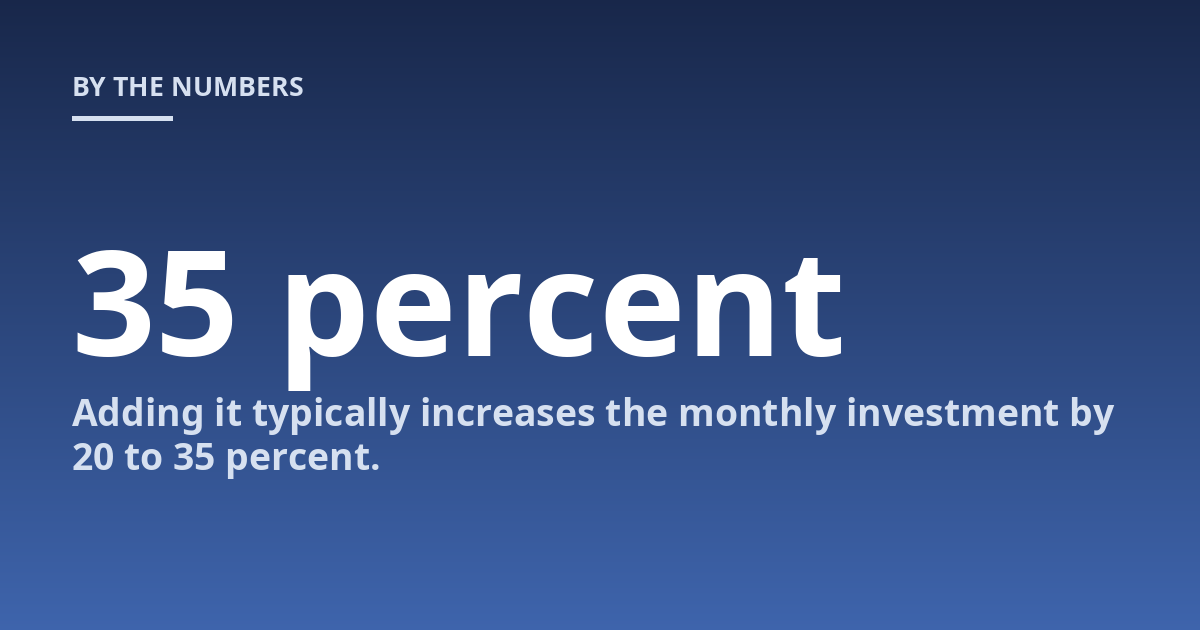
GEO, or Generative Engine Optimization, is the practice of optimizing content for AI-powered search engines like Google AI Overviews,, and Perplexity. It costs more than traditional SEO because it demands different content structures, stronger evidence citation, and ongoing monitoring of AI output changes. Most standard SEO contracts do not include GEO work. Adding it typically increases the monthly investment by 20 to 35 percent. For a deeper look, read our comparison: What is the difference between SEO and GEO?
Here’s the practical difference. Standard SEO targets Google’s organic results with content built around keywords and backlinks. GEO targets the answers that appear above organic results. If your business answers questions that people type into search, you need both. A local restaurant might only need traditional local SEO. A SaaS company selling project management software needs both because AI search summaries now answer the bulk of software comparison questions. The cost difference reflects the additional research, writing, and monitoring that GEO requires.
FAQ
What is important to know about how much does SEO cost?
The key points are understanding the scope of work included in the price, the expected timeline for measurable improvement, and the limitations that apply to your specific market. A precise recommendation depends on a comprehensive audit of your current site and competitor landscape. No reputable agency gives a firm price without first reviewing your site’s technical state, content gaps, and competitive environment. Be wary of any quote provided during a first phone call without a detailed evaluation.
When should how much does SEO cost be discussed with a professional?
A conversation about SEO pricing is useful when you have clear business goals, a website that needs improvement, or uncertainty about the right next step for your organic growth. Early assessment of your site’s technical health, content quality, and competitive standing can save you from overpaying for services that don’t address your real needs. The best time to discuss pricing is after you have completed an independent technical audit of your site. That gives you leverage and clarity before negotiations begin.
How should someone prepare for a consultation about how much does SEO cost?
It helps to gather your site’s current analytics data, a list of your main competitors, any previous SEO work or audits you have had done, and your specific business goals for the next twelve months. Existing Google Search Console data and your top ten organic keywords by traffic can also help the consultant understand your current position. The more specific you are about your target audience and the geographic scope of your business, the more accurate the pricing conversation will be.
What risks or limits can how much does SEO cost have?
Risks and budget limits depend on your site’s starting condition, the competitiveness of your industry, your existing content quality, and the specific approach the agency uses. A responsible agency will explain the risks, the expected outcomes, and the realistic timeline before your engagement begins. The biggest risk is paying for ongoing work without a clear measurement framework. Always agree on specific KPIs and reporting cadence before signing a contract.
SEO pricing ultimately reflects the value of the traffic you stand to gain. A business generating $50,000 per
Final Thoughts on SEO Investment in 2025
SEO pricing is not a mystery once you understand the components. The question “how much does SEO cost” cannot be answered with a single number because the work required varies by site condition, market competition, and content needs. A reasonable budget range for most small to medium businesses is $2,000 to $5,000 per month for a comprehensive program that includes technical maintenance, content creation, link building, and reporting.
The most expensive mistake businesses make is choosing the cheapest option. A $500 monthly retainer from an agency that outsources content to inexperienced writers and uses automated link building tools will cost you more in the long run than paying $4,000 for a competent team. Poor SEO can damage your site’s reputation with search engines, require expensive cleanup later, and delay your revenue growth by months.
For businesses with limited budgets, the smartest investment is a one-time technical audit followed by targeted content creation. A $3,000 audit can identify issues that, once fixed, improve your rankings without ongoing monthly payments. From there, you can add monthly content production at $1,000 to $2,000 per month and build authority gradually.
One practical step we recommend to every client: set aside a contingency fund equal to three months of your SEO retainer before starting. This buffer covers unexpected needs like a Google penalty recovery, a sudden competitor content push, or the cost of fixing technical issues discovered during the campaign. Too many businesses start SEO with zero margin for surprises, then panic when something requires extra spending. Plan for the unexpected so you never have to halt a campaign halfway through.
The best agencies will tell you what they cannot do as clearly as what they can. They will explain the limitations of their approach, the risks involved, and the specific conditions required for success. That level of transparency is worth paying a premium for. SEO is a long-term investment in your business’s digital infrastructure, and like any infrastructure investment, quality matters more than upfront cost.
Start with a technical audit, set a realistic budget based on your market’s demands, and commit to at least six months of consistent work. That approach gives you the highest probability of seeing a return on your SEO investment.
Other posts from the category
There are no posts for the selected category.

Latest posts from the category
-

What makes an effective Category Page for AI
June 5, 2026
-

What Influences the cost of AI Optimisation
June 1, 2026
-

Organisation Schema: how to help AI understand your brand
May 27, 2026