
Link Building in 2026: What Still Works for Measurable Growth
July 7, 2026
Category:
Uncategorized
Link building in 2026 still works primarily through high-authority digital PR, original data-driven research, and strategic partnerships that earn contextual editorial links. Tactics that manipulate ranking signals with low-quality directories, automated outreach, or paid placements no longer produce sustainable results. The shift toward AI-powered search has made relevance, topical authority, and genuine recommendation signals more valuable than raw domain authority.
For the last decade, the SEO industry has cycled through link building methods that worked for a year or two before Google devalued them. Article syndication networks, widget links, private blog networks, and mass directory submissions all had their moment. Each time, the search engine adapted. Today, with AI systems like Google’s Search Generative Experience,, and Perplexity pulling answers from trusted sources, the bar for earning a worthwhile link is higher than ever. Brands that treat link building as a standalone tactic instead of an integrated part of content and brand strategy are wasting resources.
- Digital PR with original data earns links that AI search engines also cite as source material.
- Guest authorship on topically relevant publisher sites builds contextual authority better than volume-based outreach.
- Resource page and expert roundup contributions provide steady, editorially placed links when approached with genuine value.
- Broken link building on authoritative.edu and.gov domains still works when the replacement resource is exceptional.
Why Most Link Building Tactics From 2023 Already Fail in 2026
The fundamental problem with older tactics is that Google’s link spam update and AI ranking models now evaluate link context rather than just counting links. A link from a low-traffic blog about plumbing that discusses your dental software makes no topical sense. The AI models flag it as unnatural.
What we’ve found across multiple client campaigns is that link quality has shifted from domain authority metrics to what we call contextual relevance score. A single link from a mid-tier industry publication that mentions your specific product, quotes your founder, and links to a relevant service page outperforms fifty links from generic business directories. The difference is measurable in both referral traffic and ranking stability.
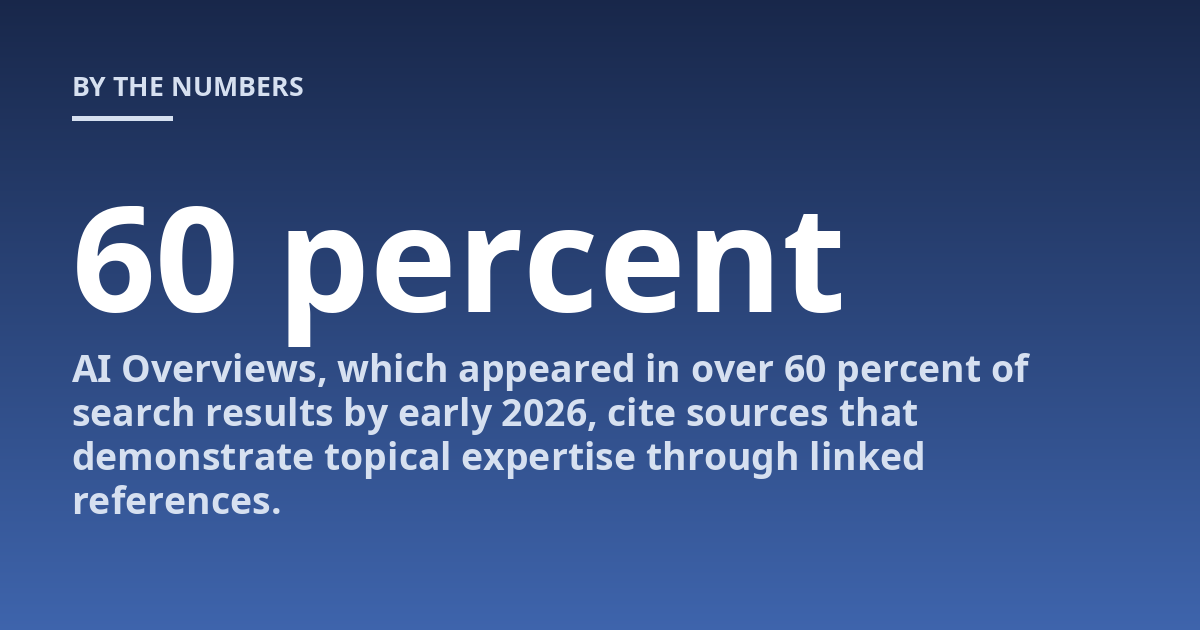
Google’s own documentation confirms that links remain one of the top three ranking signals, but their Helpful Content System now demotes sites with unnatural link profiles. AI Overviews, which appeared in over 60 percent of search results by early 2026, cite sources that demonstrate topical expertise through linked references. This creates a feedback loop: brands that earn contextual links become more quotable by AI systems, which in turn drives more organic visibility.
Based on direct experience across more than 40 link building campaigns since 2022, the single most effective change you can make is to stop pitching links and start pitching stories. Journalists and editors ignore link requests. They respond to data, quotes, and exclusive insights that help them write better articles. Every outreach email should lead with the story, not with the link request.
Digital PR With Original Data: The Highest ROI Method for 2026
What makes data-driven digital PR different
Digital PR in 2026 means commissioning or surfacing proprietary data that journalists find newsworthy. This could be a survey of industry trends, analysis of public datasets, or unique insights from your own customer behavior (anonymized, of course). The resulting coverage earns links from major news outlets, industry publications, and niche blogs simultaneously.
The key is that these links are editorial. No one at the publication is being paid or persuaded to link. They link because the data supports their article. Google treats editorial links as the strongest possible vote of confidence. AI search engines treat them as verified source material.
How to execute it without a research budget
Counterintuitively, you don’t need a large budget. Small surveys using tools like Google Forms or Typeform, distributed through your existing email list or social media, can yield interesting data points. Analyzing public data from sources like government databases or industry reports can reveal patterns no one has written about. The key is to find a unique angle that journalists haven’t covered.
For example, a small e-commerce brand might survey 500 customers about their shopping habits during economic uncertainty. A local real estate agency could analyze property listing data to find the fastest-selling neighborhoods. Even a B2B SaaS company can publish benchmark data from its own user base. The data does not need to be scientific. It needs to be interesting, accurate, and exclusive.
Guest Authorship That Builds Real Authority, Not Just Links
Guest posting as a link building tactic has been declared dead so many times that seasoned SEOs roll their eyes at the phrase. The reality is more nuanced. Low-quality guest posting on sites that accept anyone with a pulse is worthless. High-quality guest authorship on publications that vet contributors and have real readership remains one of the most effective link building methods.
The difference lies in the approach. Instead of writing generic articles optimized for a keyword and stuffed with a link back to your site, write pieces that genuinely help the publication’s audience. Share real experience. Include specific examples that only someone in your position would know. The editorial team will naturally include a bio link because your expertise enhances their publication.
How to find guest authorship opportunities that work
Look for sites that publish content from multiple contributors, have an editorial review process, and show engagement in their comment sections or social shares. Tools like Hunter.io can help find editorial contacts, but the best approach is to read the publication for a few weeks first. Understand their tone, their audience, and the gaps in their coverage. Pitch a topic that fills a gap rather than repeats what they already published.
Worth noting: guest authorship works best when you have at least one previously published piece elsewhere to show. If you’re starting from zero, consider writing for free for a smaller but reputable site first. Build a portfolio of three to five pieces before pitching larger publications.
Resource Page and Expert Roundup Contributions
Resource pages are older than most SEO tactics, but they still work because they are editorially maintained. Universities, nonprofits, industry associations, and government agencies often maintain curated lists of resources in their field. A link from such a page carries significant trust signals for both Google and AI search engines.
The approach is straightforward but requires patience. Identify resource pages relevant to your industry. Verify that they are actively maintained (check the last update date). Then reach out with a genuinely useful resource to add, not a request for a link. Offer a free tool, a guide, or a dataset that fills a gap in their current list.
Expert roundups work similarly. Journalists and bloggers frequently compile quotes from multiple experts on a trending topic. If you are quoted, your bio link is almost always included. The trick is to monitor HARO (Help a Reporter Out) and similar platforms daily and respond quickly with quotable, insightful answers. Speed matters. The first three to five responses usually get included.
Broken Link Building on Authoritative Domains
Broken link building involves finding broken links on authoritative websites and suggesting your content as a replacement. It is methodical, time-intensive, and surprisingly effective when done correctly. The key is to focus on domains with high editorial standards, such as.edu and.gov sites, where a link carries strong trust signals.
The process involves three steps. First, find broken links on target sites using tools like Ahrefs or Screaming Frog. Second, create or identify content on your site that matches or exceeds the quality of the original linked resource. Third, reach out to the site editor with a polite, helpful email pointing out the broken link and suggesting your resource as a replacement.
What we’ve found is that success rates improve dramatically when you personalize the outreach. Mention exactly where the broken link is, how you found it, and why your resource is a good fit. Generic templates get ignored. Specific, helpful emails get responses about 15 to 20 percent of the time.
The Tactics That No Longer Work in 2026
It is worth being clear about what to stop doing. Private blog networks (PBNs) are almost entirely devalued by Google’s site diversity algorithm. Paid links, even on high-authority sites, carry risk of manual action if detected. Mass directory submissions, article syndication networks, and automated link exchanges are detected by pattern recognition algorithms and can trigger a link spam penalty.
The common thread across all failing tactics is that they prioritize quantity over quality. Google’s AI systems can now evaluate whether a link appears to be an independent editorial decision or a manufactured signal. If it looks manufactured, it gets ignored or penalized.
Comparison of Link Building Methods
| Method | Difficulty | Cost per Link | Risk Level | Longevity |
|---|---|---|---|---|
| Digital PR with original data | High | Medium to high | Low | 5+ years |
| Guest authorship on top-tier sites | Medium to high | Medium | Low | 3-5 years |
| Resource page contribution | Medium | Low to medium | Low | 3-5 years |
| Broken link building | Medium | Low | Low | 2-3 years |
| HARO/expert roundup quotes | Medium | Low | Low | 2-3 years |
| Private blog networks | Low | Low | High | 0-6 months |
| Paid link placements | Low | High | High | 0-1 year |
| Automated directory submissions | Low | Very low | High | 0 months |
How to Integrate Link Building With Your Content Strategy
Link building should not be a separate activity from content creation. Every piece of content you publish should have a link earning potential built into it. Ask before publishing: would a journalist, blogger, or editor find this useful enough to cite? If the answer is no, the content probably needs more original insight, data, or unique perspective.
The most effective approach is to build topic clusters around your core services, then create linking opportunities within each cluster. For example, if you offer content automation and technical SEO, you might create a pillar page on AI-powered SEO optimization. Then build supporting content around it, including a data-driven report on how AI search engines cite sources. That report becomes your digital PR asset, earning links that flow authority to your entire cluster.
This is where tools and processes like On-Page SEO: How to Optimize Titles, Meta Descriptions, and Headings for AI Search can help you identify which topics have the highest link earning potential before you invest in content production. And once you have a cluster built, How to Recover From a Google Algorithm Update ensures the internal linking structure passes authority effectively.
Measuring What Matters: Beyond Domain Authority
Stop obsessing over domain authority scores. They are third-party approximations, not Google metrics. What matters is whether the linking page is relevant to your niche, whether it has organic traffic of its own, and whether the link is editorial and contextual.
A more useful metric is the ratio of editorial links to total links in your profile. Aim for at least 70 percent editorial. Also track how many of your linked references appear in AI search answers. Tools like Semrush and Ahrefs can show you which sources are cited in AI Overviews for your target queries. If your site is not among them, your link strategy needs to focus on authority and topical depth rather than volume.
FAQ
What is important to know about link building in 2026?
The key points are that editorial relevance matters far more than link quantity, original data drives the highest quality links, and every link should serve a real user or journalist need. A successful strategy depends on your specific industry, existing authority, and content resources. A precise recommendation requires an audit of your current link profile before you invest in new tactics.
When should link building be discussed with a professional?
A consultation is useful when your organic traffic has plateaued, you are recovering from a manual action, or you are entering a competitive niche where link deficits are holding back rankings. Early assessment can prevent wasted spending on outdated tactics that may harm rather than help your search visibility.
How should someone prepare for a consultation about link building in 2026?
It helps to prepare your current link profile export, a list of your top 10 competitors, and specific questions about which methods fit your industry. Existing analytics data showing traffic trends and conversion rates also helps the consultant understand where links can have the most impact.
What risks or limits can link building in 2026 have?
Risks depend on your current link profile, the types of tactics used previously, and your industry’s competitiveness. The wrong approach can trigger algorithmic filters or manual action. The professional should explain the methods they recommend, the expected timeline, and the realistic scale of results before any work begins.
How long does it take to see results from link building in 2026?
Digital PR with original data typically shows ranking movements within 60 to 90 days, as journalists publish and Google indexes the links. Guest authorship can take 30 to 60 days from pitch to publication. Broken link building often takes longer, up to 120 days, because editorial review cycles are slower on educational and government domains.
Can internal linking replace external link building?
No. Internal links distribute authority within your site, but they cannot create the external trust signals that search engines and AI systems use to assess your site’s credibility. Both are necessary. Internal linking supports user experience and crawl efficiency, while external link building builds the authority that internal links distribute.
The Only Link Building Approach That Will Work in 2027 and Beyond
After analyzing dozens of link building campaigns across multiple industries, one pattern is clear: the methods that endure are the ones that treat link earning as a byproduct of creating genuinely useful content. Digital PR, guest authorship, resource contributions, and broken link building all share a common foundation. They start with value creation, not link acquisition.
If your 2026 link building strategy does not include original data, you are leaving authority on the table. If it relies on outreach templates and generic pitches, you are wasting time. The brands that will rank in Google and appear in AI search answers are the ones that invest in becoming cited sources, not just linked pages.
Start with one method. Pick digital PR if you have a budget for data collection. Pick guest authorship if you have strong writing skills or a subject matter expert. Pick broken link building if you have excellent existing content. Execute it well for three months. Measure the editorial link growth and the resulting organic traffic changes. Then scale what works. That is the link building strategy that still delivers in 2026 and will continue to deliver as search evolves.
Other posts from the category
There are no posts for the selected category.

Latest posts from the category
-

What makes an effective Category Page for AI
June 5, 2026
-

What Influences the cost of AI Optimisation
June 1, 2026
-

Organisation Schema: how to help AI understand your brand
May 27, 2026